How to Choose an SEO Tool: 6 Questions to Ask First
Learning how to choose an SEO tool usually starts in the wrong
place — most people start by comparing feature lists instead of
asking what their actual workflow needs. Here are 6 questions to
ask first, before you subscribe to anything.
How to Choose an SEO Tool?
This is the single biggest factor in how to choose an SEO tool that
you’ll actually use. If you publish weekly, a keyword research tool
pays for itself quickly because you’re making a “what to write
next” decision constantly. If you publish once a month or less, a
$139+/month tool is likely more than you need — a free option like
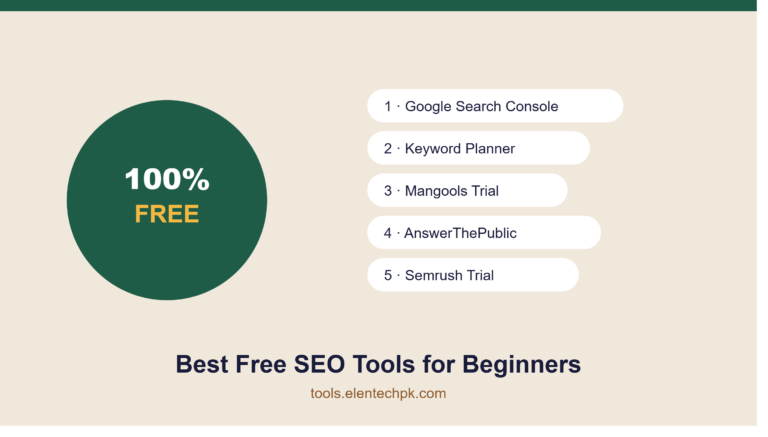
Google Search Console paired with a budget tool like Mangools
($29/month) may cover you just as well.
Do You Need Competitor Data?
Free tools like Google Search Console only show you your own site’s
performance — no visibility into what competitors are ranking for.
If you’ve ever wondered why a competitor outranks you and had no
way to check, that’s a sign you need a paid tool with competitor
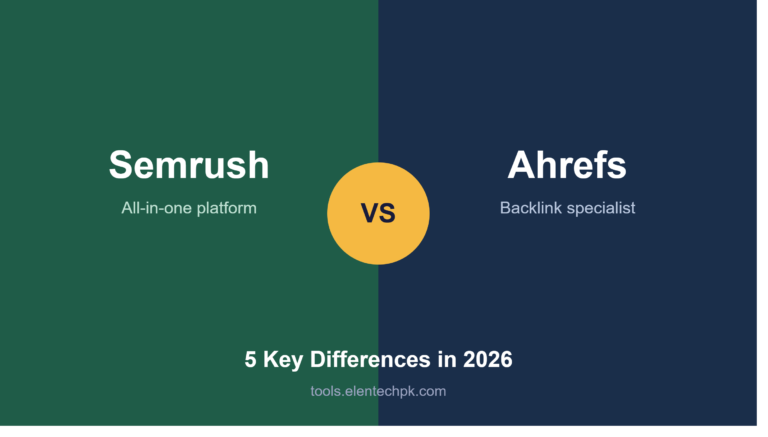
research built in, which is where platforms like Semrush or Ahrefs
come in.
Solo Site or Multiple Clients?
If you’re managing SEO for just one site, most tools in the
$29–140/month range will cover your needs. If you’re managing
multiple client sites, look specifically at how many projects or
domains a plan allows — this varies significantly between tools and
can force an unexpected upgrade if you don’t check it first.
What’s Your Real Monthly Budget?
SEO tools range from free (Google Search Console) to over
$500/month (Semrush Business, Ahrefs Enterprise). Before comparing
features, decide what you’re actually willing to spend — this
narrows your options fast. Budget-friendly picks like Mangools or
KeySearch start around $24–30/month and cover the basics most solo
site owners need.
Free Trial or Free-Forever Plan?
Some tools offer a time-limited free trial (like Semrush’s 7-day
trial), while others have a genuinely free tier with no time limit
but limited features. If you’re not ready to commit to a paid plan
yet, look specifically for which type you’re signing up for — a
trial that auto-charges after 7 days is a very different commitment
than a permanent free plan.
Do You Need Paid Ads Data Too?
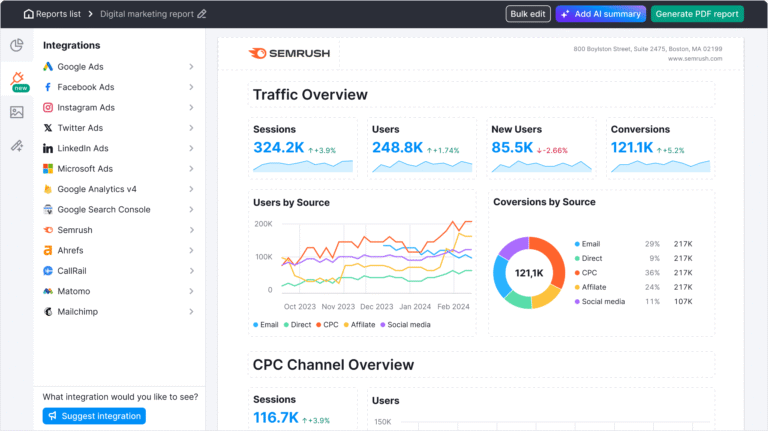
If you run both organic content and paid ad campaigns, an all-in-one
platform that covers both SEO and PPC research (like Semrush) can
save you from paying for two separate tools. If your work is purely
organic, a more focused SEO-only tool may be all you need.
Final Thoughts on Choosing an SEO Tool
There’s no single “best” SEO tool — there’s a best fit for your
publishing frequency, budget, and whether you need competitor data.
Answer these 6 questions honestly before you subscribe to anything,
and you’ll avoid paying for features you were never going to use.
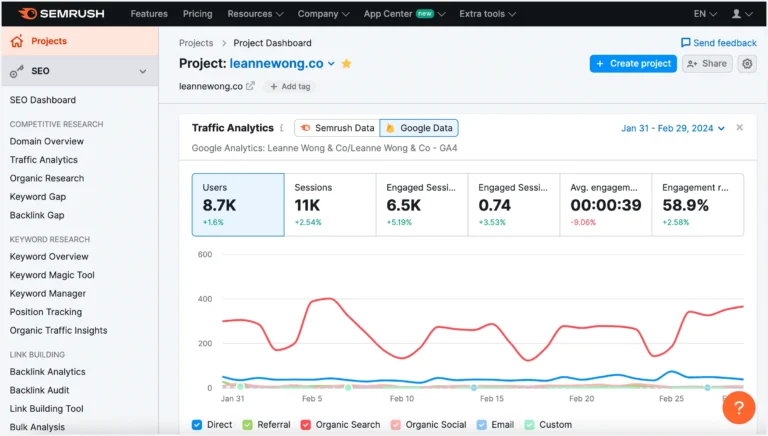
If you want a closer look at one of the more complete options, read
our full, tested Semrush review here → [link to review page]