7 Signs Semrush Worth it For Your Business
Wondering if Semrush worth it for your business? At $139.95 to
$499.95 a month, it’s not a casual subscription to sign up for on a
whim. We tested it ourselves, and here are 7 real signs it genuinely
pays off — and a few signs it doesn’t.
You Publish Content Weekly
If you’re publishing even one article a week, you’re making a
decision every time about what to write next. Without keyword data,
that decision is a guess. Semrush’s Keyword Magic Tool shows real
monthly search volume before you write a single word, so your
content calendar is based on actual demand instead of instinct.
If you publish once a month or less, this benefit alone won’t
justify the price — the tool works best when you’re using it
regularly, not occasionally.
You’ve Never Checked a Competitor’s Keywords
Most small business owners know who their competitors are but have
never actually looked at what’s driving their traffic. Semrush’s
Domain Overview shows you exactly which keywords a competitor ranks
for that you don’t — turning a vague sense of “they’re doing better
than us” into a specific list of pages worth building.
This is one of the clearest signs Semrush is worth it: if you’ve
never run this kind of check, you’re almost certainly missing
opportunities sitting in plain sight.
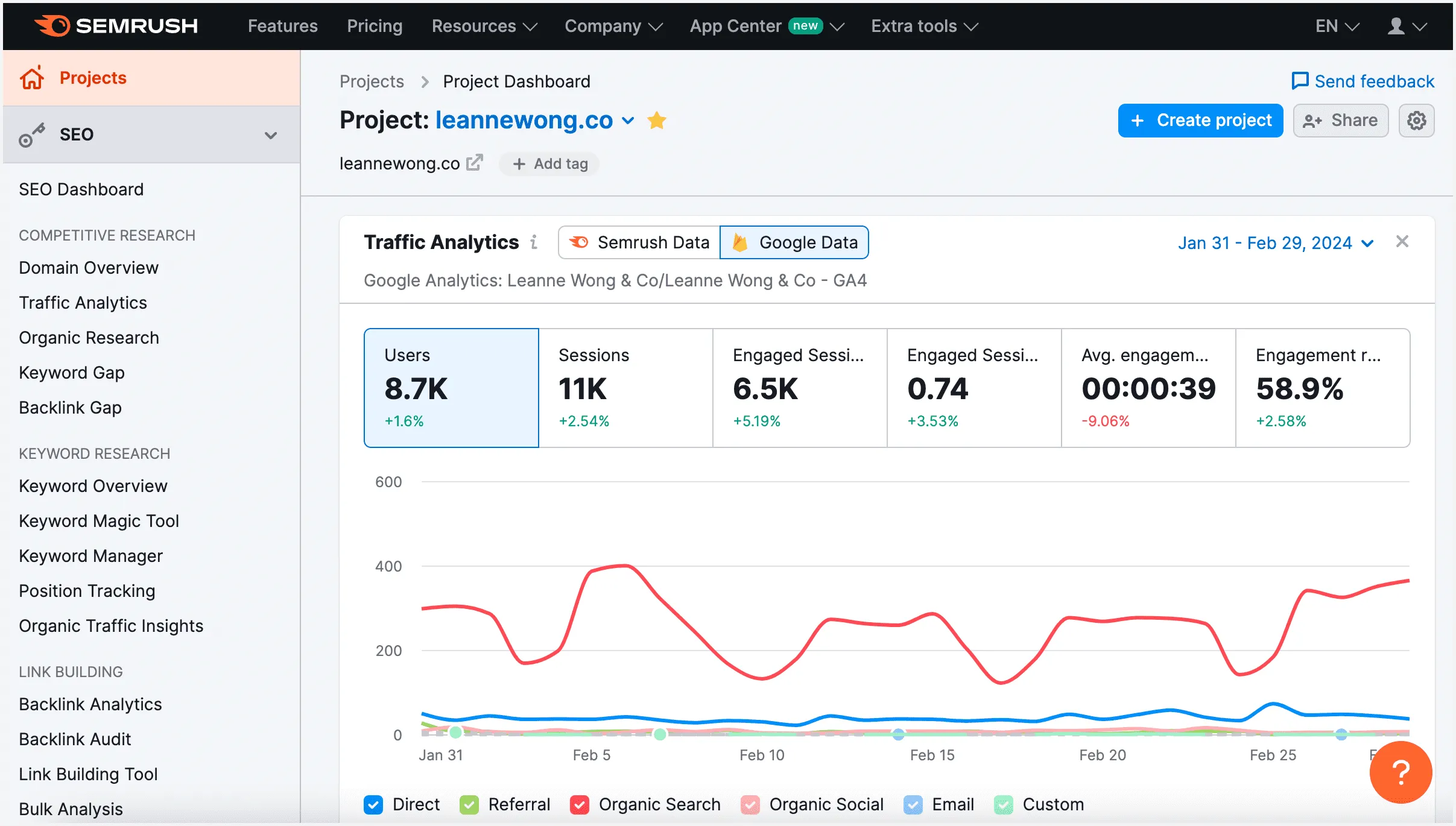
You Manage More Than One Website
Running SEO checks manually across two or three sites eats up hours
every month. Semrush’s project system lets you track multiple
domains from one dashboard, with rank tracking and audits running
in the background for each one. For agencies or business owners
juggling multiple properties, this alone can save several hours a week.
Google Search Console Feels Too Limited
Search Console is free and genuinely useful, but it only shows you
your own site’s data — no competitor insight, and limited historical
range. If you’ve outgrown what Search Console can tell you and find
yourself wanting to know why a competitor outranks you, that’s a
sign you need a paid tool, and Semrush is one of the more complete
options available.
You Run Both SEO and Paid Ads
Semrush isn’t purely an SEO tool — it also covers PPC research,
showing which keywords competitors are bidding on and roughly what
they’re spending. If your business runs both organic content and
paid campaigns, having both data sets in one login avoids paying
for two separate tools.
You Need Client-Ready Reports
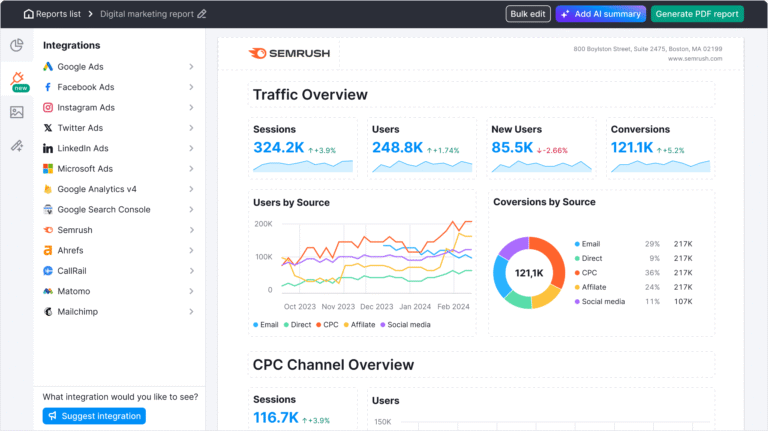
If you’re managing SEO for clients, not just yourself, Semrush’s
reporting tools let you generate branded, presentable reports
without building them manually in a spreadsheet. This is one of the
more time-saving features for agencies specifically, and part of
why it scores well among agency users.
You’re Still Guessing What to Write Next
This comes back to the core problem Semrush solves: most content
fails not because it’s badly written, but because nobody checked if
anyone was searching for the topic in the first place. If your
current process for choosing topics is “what feels relevant,”
that’s the clearest sign a keyword research tool — Semrush or
otherwise — is worth adding to your workflow.
Is Semrush Worth it For Your Business? Our Verdict
Semrush is worth it if you’re publishing regularly, managing more
than one site, or need competitor visibility you currently don’t
have. It’s not worth it if you post occasionally and have never
looked at a keyword volume number in your life — start with the
free trial before committing to a paid plan either way.
Read our full, tested Semrush review here → [link to review page]